Ledger Wallet Review: Nano X vs Nano S Plus Complete Guide
This comprehensive ledger wallet review examines Ledger's most popular hardware wallets to help you choose the right device.
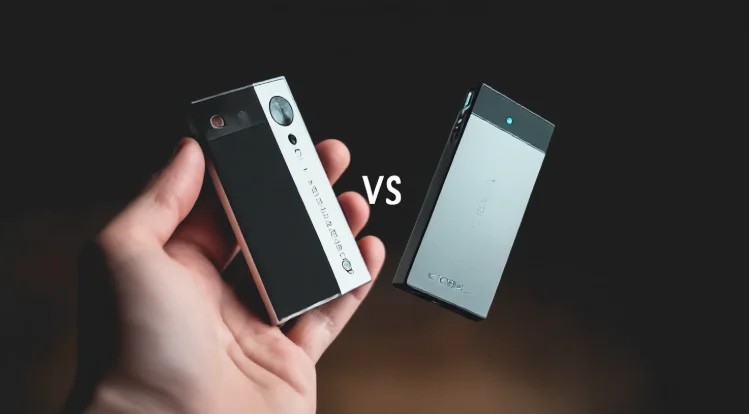
This comprehensive ledger wallet review examines Ledger's most popular hardware wallets to help you choose the right device. Whether you're considering the ledger wallet nano x with its Bluetooth connectivity or the budget-friendly ledger wallet nano s plus, this analysis covers features, pros, cons, and real-world performance. Both devices protect cryptocurrency through identical security architecture—the difference lies in features and price. After choosing your device, follow our download guide and setup guide to get started.
Ledger Wallet Review: Overview
Why Ledger Dominates Hardware Wallets
This ledger wallet review begins with context about why Ledger leads the market. Ledger has shipped over 6 million hardware wallets, securing more than $20 billion in cryptocurrency assets across 200+ countries.
Market leadership stems from several factors including decade-long track record with no successful remote attacks on secure element technology, certified security through CC EAL5+/EAL6+ secure elements validated by independent laboratories, comprehensive cryptocurrency support for 5,500+ coins and tokens, intuitive software through the Ledger Live platform, and continuous development with regular firmware and software updates.
Security Architecture
Both the ledger wallet nano x and ledger wallet nano s plus share identical fundamental security. They both use certified secure element chips (ST33 series), PIN protection with device wipe after three failed attempts, 24-word BIP-39 recovery phrase backup, physical transaction verification on-device, and isolated cryptographic operations where keys never leave the chip.
The security difference between models is minimal—the Nano S Plus actually has higher EAL6+ certification versus Nano X's EAL5+. Price difference reflects features, not security levels.
Ledger Wallet Nano X: In-Depth Review
The ledger wallet nano x ($149) is Ledger's flagship Nano device, targeting mobile-focused users who want Bluetooth convenience and iOS compatibility.
Design and Build Quality
The Nano X features brushed stainless steel and matte plastic construction at 72mm x 18.6mm x 11.75mm dimensions weighing 34 grams. It has a rotating cover protecting the USB-C port, a 128x64 pixel OLED display, two physical navigation buttons, and a built-in 100mAh battery.
Build quality feels premium without excessive bulk. The device fits comfortably in pockets and attaches to keychains via the included lanyard. The rotating cover adds durability for daily carry. Overall aesthetic is professional and understated.
Features and Capabilities
Bluetooth 5.0 LE connectivity enables wireless pairing with iOS and Android devices through the Ledger Live mobile app. This is the defining feature differentiating Nano X from other Ledger Nano devices.
The built-in battery provides approximately 8 hours of active Bluetooth use, enabling portable operation without power connection. Standby time extends to several months.
iOS compatibility makes the Nano X the only Ledger Nano supporting iPhone and iPad. Apple restricts USB data from hardware wallets, making Bluetooth essential for iOS users.
Storage capacity at 2MB supports 100+ cryptocurrency apps simultaneously, eliminating the app-swapping that plagued the original Nano S.
Pros and Cons
Nano X advantages include Bluetooth connectivity enabling wireless transactions without cables, iOS support as the only Nano with iPhone compatibility, battery power enabling 8+ hours of portable use, 100+ app capacity supporting diverse cryptocurrency portfolios, and mobile-first design optimized for smartphone portfolio management.
Nano X disadvantages include higher $149 price premium of $70 over Nano S Plus, lower CC EAL5+ certification (paradoxically) versus S Plus's EAL6+, battery degradation over years since lithium batteries lose capacity, and added complexity with Bluetooth adding a component that can fail or require troubleshooting.
Ledger Wallet Nano S Plus: In-Depth Review
The ledger wallet nano s plus ($79) is Ledger's entry-level device, delivering equivalent security at accessible pricing for desktop-focused users.
Design and Build Quality
The Nano S Plus features brushed stainless steel and matte plastic construction at 62.39mm x 17.4mm x 8.24mm dimensions weighing 21 grams. It has a rotating cover protecting the USB-C port, a 128x64 pixel OLED display (same resolution as Nano X), and two physical navigation buttons with no battery (USB-powered only).
The S Plus is notably smaller and lighter than the Nano X, enhancing portability. Build quality matches the Nano X despite lower pricing. The absence of battery eliminates a potential failure point.
Features and Capabilities
USB-C connectivity provides modern, reversible connection to computers and Android phones (via USB OTG). No Bluetooth means no wireless capability but also no wireless complexity.
CC EAL6+ secure element certification is actually higher than Nano X's EAL5+—the cheaper device has superior security certification.
Storage capacity at 1.5MB supports 100+ cryptocurrency apps simultaneously, matching Nano X functionality.
Desktop and Android support works with Ledger Live on Windows, macOS, Linux, and Android (via USB OTG). No iOS support exists due to Apple's USB restrictions.
Pros and Cons
Nano S Plus advantages include best value at $79 with maximum security per dollar, the highest EAL6+ certification exceeding even Nano X, simpler design with no battery to degrade or Bluetooth to troubleshoot, compact and lightweight being smaller and lighter than Nano X, and proven reliability with fewer components meaning fewer potential failure points.
Nano S Plus disadvantages include no Bluetooth requiring USB connection for every use, no iOS support making iPhone users unable to use this device, no battery requiring constant USB power for operation, and desktop-centric design being less convenient for frequent mobile transactions.
Ledger Devices Comparison Table
| Feature | Nano S Plus | Nano X | Flex | Stax |
|---|---|---|---|---|
| Price | $79 | $149 | $249 | $399 |
| Secure Element | CC EAL6+ | CC EAL5+ | CC EAL6+ | CC EAL6+ |
| Display | 128x64 OLED | 128x64 OLED | 2.8" touchscreen | 3.7" E Ink touch |
| Bluetooth | No | Yes | Yes | Yes |
| Battery | No | 100mAh (8+ hrs) | 200mAh (10+ hrs) | 200mAh (10+ hrs) |
| USB | USB-C | USB-C | USB-C | USB-C |
| Wireless Charging | No | No | Qi | Qi |
| NFC | No | No | No | Yes |
| iOS Support | No | Yes | Yes | Yes |
| Android Support | USB OTG | USB + BT | USB + BT | USB + BT |
| App Capacity | 100+ | 100+ | 100+ | 100+ |
| Dimensions | 62x17x8mm | 72x19x12mm | 78x43x8mm | 85x54x6mm |
| Weight | 21g | 34g | 57g | 45g |
| Best For | Desktop users, beginners, budget | Mobile users, iPhone | Touchscreen preference | Premium, collectors |
Premium Options: Flex and Stax
Beyond the Nano lineup, Ledger offers touchscreen devices for premium experiences.
Ledger Flex ($249) features a 2.8" color touchscreen, Bluetooth and Qi wireless charging, CC EAL6+ secure element, and premium build quality. It is best for users wanting modern touchscreen interface without flagship pricing.
Ledger Stax ($399) features a 3.7" curved E Ink touchscreen, NFC capability for tap interactions, customizable lock screen artwork, magnetic stacking for multiple devices, and Qi wireless charging. It is best for premium users, collectors, and those wanting distinctive design.
Both premium devices provide equivalent security to Nano models—the price premium buys interface improvements rather than security upgrades.
Which Ledger Wallet Should You Choose?
Our ledger wallet review recommends different devices for different users.
Choose the Nano S Plus if you manage cryptocurrency primarily from desktop computers, you're on a budget seeking maximum security per dollar, you don't need mobile access (or only need Android), you prefer simplicity with fewer components to troubleshoot, or you're buying a backup device alongside a primary wallet.
Choose the Nano X if you own an iPhone (this is required for iOS users), you manage cryptocurrency primarily from mobile devices, you value wireless convenience over cost savings, you travel frequently and want portable operation, or you prefer flexibility of both USB and Bluetooth options.
Choose Flex or Stax if you value premium touchscreen interface, budget isn't a primary constraint, you want distinctive design and premium materials, or you're willing to pay for enhanced user experience.
For most new users, the Nano S Plus at $79 provides the best value—equivalent (actually superior) security certification at half the cost of Nano X. The primary reason to choose Nano X is iPhone compatibility or strong preference for Bluetooth convenience.
Once you've chosen your device, follow our download guide to install Ledger Live, then use our setup guide to configure your device. Keep your device secure with our update guide.