Ledger Wallet Update: How to Update Ledger Live & Firmware
Keeping your ledger wallet update current ensures access to security patches, new features, and expanded cryptocurrency support.
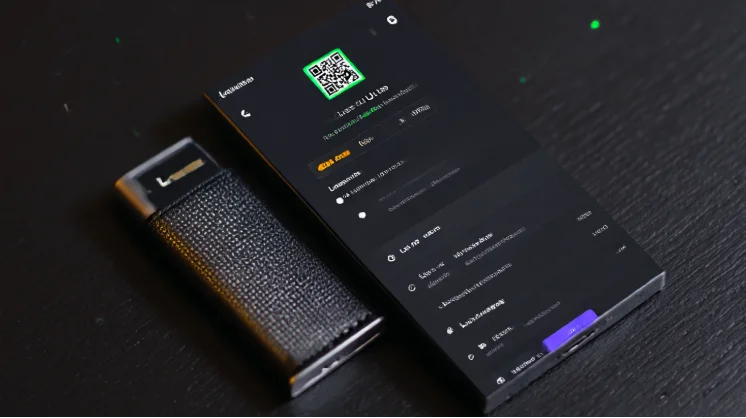
Keeping your ledger wallet update current ensures access to security patches, new features, and expanded cryptocurrency support. This guide covers the complete ledger live update process for both software and device firmware, explains why ledger wallet upgrade matters for security, and provides troubleshooting for common update issues. If you haven't set up your device yet, see our setup guide first.
Why Ledger Wallet Updates Matter
Regular ledger wallet update maintenance is essential, not optional. Updates address three critical areas that directly affect your cryptocurrency security and user experience.
Security Updates
Security patches in ledger live update releases address discovered vulnerabilities before exploitation. Firmware updates strengthen the secure element's resistance to attack methods. Protocol updates maintain compatibility with evolving blockchain security standards. Third-party library updates keep dependencies current with security fixes.
Delaying updates leaves your system exposed to known vulnerabilities. Always update promptly when new versions are available.
Feature Updates
New features expand ledger wallet capabilities over time. Recent feature additions have included enhanced swap functionality with better exchange rates, expanded staking support for additional proof-of-stake networks, improved NFT management and Clear Signing, and performance optimizations reducing sync times.
Cryptocurrency Support
Ledger wallet upgrade releases add support for new cryptocurrencies and tokens. New blockchain integrations expand the supported coin list. Token contract updates ensure compatibility with new token standards. Network upgrade support maintains compatibility after blockchain forks and protocol changes.
Without updates, you may lose access to certain cryptocurrencies or face compatibility issues with evolving networks.
Ledger Live Update Process
Automatic vs Manual Updates
Ledger Live supports both update methods for software updates.
Automatic updates detect new versions on launch and prompt for installation. This ensures you're always notified about available updates. The application downloads updates in background and prompts when ready to install.
Manual updates can be triggered through Settings > About > Check for updates. Use this when automatic detection fails or you want to check immediately.
Desktop Update Steps
Complete your ledger live update on desktop:
- Launch Ledger Live application on your computer.
- Check for update prompt—the app displays notification if updates are available on launch.
- If no prompt appears, navigate to Settings > About > "Check for updates" manually.
- Review update details including version number and changes.
- Click "Download update" to begin downloading the new version.
- Wait for download to complete—progress bar shows download status.
- Click "Install update" when prompted after download completes.
- Restart Ledger Live to complete the update process.
- Verify successful update in Settings > About—version number should reflect new release.
Mobile Update Steps
Mobile ledger wallet update occurs through app stores:
- Open Apple App Store (iOS) or Google Play Store (Android).
- Navigate to "Updates" section or search for "Ledger Live."
- If update is available, tap "Update" button.
- Wait for download and installation to complete.
- Open Ledger Live and verify new version in Settings > About.
- Enable automatic app updates in your phone settings to receive updates automatically.
Firmware Update Process
Device firmware ledger wallet upgrade requires desktop Ledger Live:
- Connect your Ledger device to your computer via USB.
- Open Ledger Live desktop application.
- Navigate to "My Ledger" or "Manager" in the left sidebar.
- Enter your PIN on the hardware device when prompted.
- Check for firmware update notification—the app indicates if updates are available.
- Review firmware update details including version and changes.
- Click "Update firmware" to begin the process.
- Follow on-screen instructions—keep device connected throughout.
- Confirm any prompts on your hardware device by pressing buttons.
- Wait for update to complete—this may take several minutes.
- Re-enter your PIN after device restarts.
- Verify successful update in My Ledger—firmware version should reflect new release.
IMPORTANT: Never disconnect your device during firmware updates. Interruption can cause issues requiring device restoration using your recovery phrase. Ensure stable USB connection and do not move the device during the process.
Version History Table
| Version | Type | Release Date | Key Features | Security Updates | Notes |
|---|---|---|---|---|---|
| 2.73+ | Desktop | Q4 2024 | Enhanced swap interface, UI polish | Dependency updates | Current stable |
| 2.70+ | Desktop | Q3 2024 | Expanded staking, performance improvements | Security patches | Recommended minimum |
| 2.65+ | Desktop | Q2 2024 | NFT improvements, Clear Signing | Protocol updates | Legacy |
| 3.38+ | Mobile | Q4 2024 | Feature parity, Bluetooth stability | Security patches | Current stable |
| FW 1.1.1 | Nano S Plus | Q4 2024 | Performance improvements | Security hardening | Current firmware |
| FW 2.2.4 | Nano X | Q4 2024 | Bluetooth stability, coin support | Security patches | Current firmware |
Note: Version numbers are approximate. Check Ledger's official release notes for precise current versions.
Troubleshooting Failed Updates
When ledger live update fails, try these solutions progressively.
For "Download failed" errors, check internet connectivity and stability, disable VPN if active (may block Ledger servers), try downloading during off-peak hours, and clear Ledger Live cache and retry.
For "Installation failed" errors, close all other applications that might conflict, run Ledger Live as administrator (Windows), check available disk space (need 500MB+ free), and temporarily disable antivirus software.
For firmware update failures, verify device battery has sufficient charge (Nano X), ensure USB cable is securely connected, try different USB port (avoid hubs), and restart both computer and device before retrying.
For "Update verification failed" errors, download fresh copy from official source, verify internet connection during verification, and contact support if error persists with official download.
If firmware update fails catastrophically and device is unresponsive, enter recovery mode following Ledger's documentation and restore using your 24-word recovery phrase. Your cryptocurrency remains safe on the blockchain—device issues don't affect your assets.
Latest Features and Improvements
Recent ledger wallet update releases have introduced significant improvements.
Enhanced swap functionality provides optimized DEX aggregation for better exchange rates, more trading pairs available across supported networks, improved rate comparison and fee transparency, and faster swap execution times.
Expanded staking support includes additional Cosmos ecosystem chains supported, improved staking reward tracking and history, simplified staking interface with clearer APY display, and compound rewards automation for supported networks.
Performance optimizations deliver faster portfolio synchronization especially for large histories, reduced memory usage during extended sessions, improved Bluetooth stability for Nano X connections, and quicker app startup and navigation.
Security enhancements include enhanced Clear Signing with more transaction details shown, improved verification workflows for complex transactions, updated secure communication protocols, and third-party audit implementations.
For more information about Ledger devices, check our device reviews page.